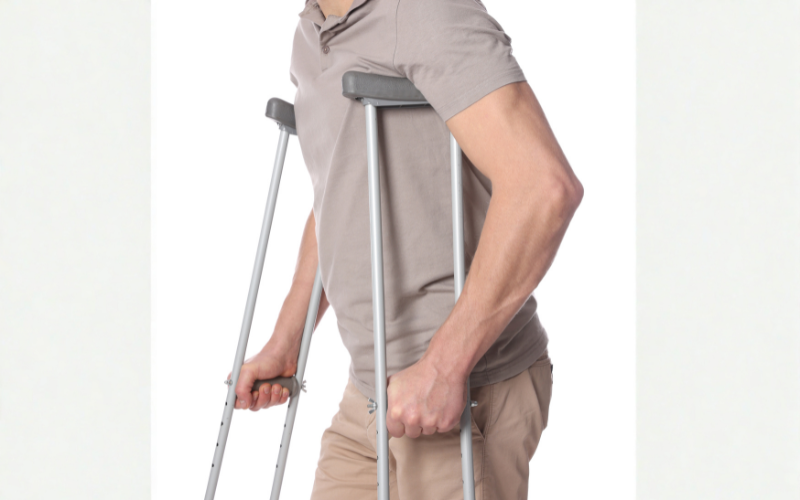
Bone fractures are among the most common orthopedic conditions, affecting people of all ages. Whether caused by accidents, falls, sports injuries, or underlying bone weakness, fractures require timely and proper medical attention to heal correctly.
Without appropriate treatment, fractures can lead to long-term complications such as improper bone healing, chronic pain, or reduced mobility.
If you or a family member experiences a fracture, consulting an experienced orthopedic surgeon in Gaya like Dr. Vimlendu Vimal ensures accurate diagnosis, effective treatment, and a smooth recovery process.
Table of Contents
- Introduction: Understanding Bone Fractures
- Types of Fractures
- Simple (Closed) Fracture
- Compound (Open) Fracture
- Comminuted Fracture
- Stress Fracture
- Common Causes of Fractures
- Signs and Symptoms of a Fracture
- Diagnosis of Fractures
- Treatment Options for Fractures
- Non-Surgical Treatment
- Surgical Treatment
- Fracture Recovery Timeline
- Rehabilitation & Post-Treatment Care
- Complications if Left Untreated
- Why Choose Healing Touch Hospital
- Conclusion
- Frequently Asked Questions (FAQs)
Understanding Bone Fractures
A fracture occurs when there is a break or crack in the bone due to excessive force or pressure. While some fractures are simple and heal quickly, others can be complex and require surgical intervention.
India sees a high number of fracture cases every year, especially due to road accidents and falls.
India reports over 5 million fracture cases annually, making it one of the leading causes of hospital visits in orthopedic departments.
Types of Fractures
Fractures vary in severity and type. Understanding the type helps determine the right treatment approach.
1. Simple (Closed) Fracture
The bone breaks but does not pierce the skin.
2. Compound (Open) Fracture
The broken bone comes out through the skin, increasing infection risk.
3. Comminuted Fracture
The bone shatters into multiple pieces, often requiring surgery.
4. Stress Fracture
Small cracks caused by repetitive stress, common in athletes.
Common Causes of Fractures
Fractures can happen to anyone, but certain conditions increase the risk:
- Road accidents and trauma
- Falls, especially in elderly patients
- Sports injuries
- Osteoporosis (weak bones)
- Sudden impact or heavy pressure
In cities and growing regions like Gaya, increasing traffic and lifestyle factors contribute to rising fracture cases.
Signs and Symptoms of a Fracture
Recognizing a fracture early can prevent complications. Key symptoms include:
- Severe and sudden pain
- Swelling and bruising
- Visible deformity
- Difficulty or inability to move the affected area
- Tenderness around the injury
If you notice any of these symptoms, immediate consultation with an orthopedic doctor in Gaya, Bihar is essential.
Diagnosis: How Fractures Are Evaluated
At Healing Touch Hospital, fracture diagnosis is done using a combination of clinical evaluation and modern imaging techniques.
Common diagnostic methods:
- X-rays (primary tool)
- CT scans for complex fractures
- MRI for soft tissue involvement
Early and accurate diagnosis ensures proper alignment and healing of bones.
Treatment Options for Fractures
The treatment approach depends on the type and severity of the fracture.
Non-Surgical Treatment
Most simple fractures can be treated without surgery:
- Casting or splinting to immobilize the bone
- Pain management medications
- Rest and restricted movement
Surgical Treatment
Severe fractures require surgical intervention for proper alignment.
Common procedures include:
- Internal fixation using rods, plates, or screws
- External fixation for complex injuries
- Joint replacement in extreme cases
Modern orthopedic techniques focus on minimally invasive procedures, ensuring faster recovery and reduced complications.
Fracture Recovery Timeline
Recovery varies depending on the individual and fracture type.
General Healing Timeline:
- Minor fractures: 4–6 weeks
- Moderate fractures: 6–12 weeks
- Severe fractures: 3–6 months or more
Recovery involves more than just bone healing — rehabilitation plays a key role.
Rehabilitation & Post-Treatment Care
After initial healing, restoring strength and mobility is essential.
Key recovery steps:
- Physiotherapy to regain movement
- Gradual weight-bearing exercises
- Nutritional support (calcium & vitamin D)
- Regular follow-ups
Proper rehabilitation ensures full recovery and prevents future injuries.
Complications if Left Untreated
Ignoring or delaying fracture treatment can lead to serious complications:
- Improper bone alignment (malunion)
- Delayed healing (non-union)
- Chronic pain
- Reduced mobility
- Increased risk of arthritis
Timely care from a qualified bone surgeon in Gaya, Bihar can prevent these issues.
Why Choose Healing Touch Hospital for Fracture Care
Choosing the right hospital is crucial for proper recovery.
At Healing Touch Hospital, patients benefit from:
- 25+ years of orthopedic expertise
- Advanced diagnostic and surgical facilities
- 24/7 emergency and trauma care
- Patient-first approach with ethical treatment
Led by Dr. Vimlendu Vimal, the hospital provides trusted orthopedic care for patients across Bihar.
Conclusion: Importance of Timely Treatment
Fractures are common but should never be taken lightly. Proper diagnosis, timely treatment, and guided recovery are essential for restoring normal function.
Delaying treatment can lead to long-term complications that affect daily life.
If you are dealing with a fracture or injury, consult the best orthopedic surgeon in Gaya at Healing Touch Hospital for advanced care and reliable treatment.
Frequently Asked Questions (FAQs)
- How long does a fracture take to heal?
Most fractures heal within 6–12 weeks, depending on severity.
- Do all fractures need surgery?
No, many fractures can be treated with casting or splinting.
- Can I walk after a fracture?
Only after proper healing and doctor approval.
- What foods help in fracture recovery?
Calcium-rich foods, protein, and vitamin D are essential.