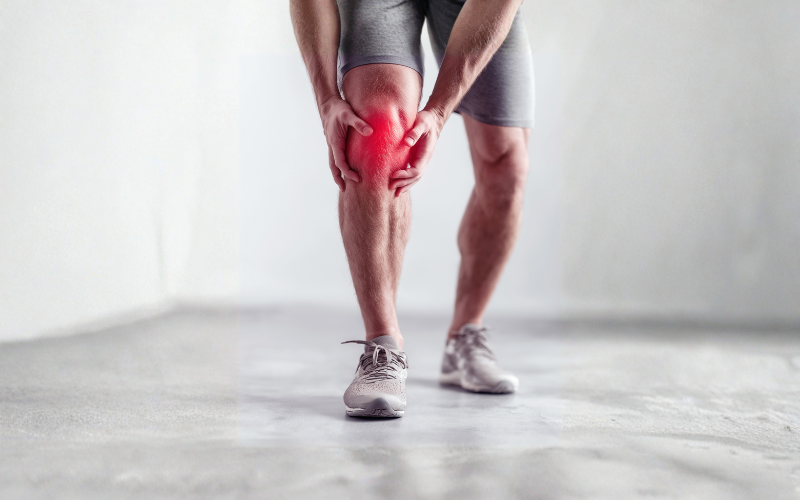
Knee pain is no longer a problem limited to older adults. Over the past decade, there has been a noticeable increase in knee-related issues among young individuals in India, especially those in their 20s and 30s.
This shift is largely driven by modern lifestyle habits, including prolonged sitting, lack of physical activity, obesity, and increased participation in high-impact sports without proper conditioning.
When left untreated, knee pain can progress from a minor discomfort to a serious condition affecting mobility and quality of life. Seeking timely care from an experienced orthopedic surgeon in Gaya, such as Dr. Vimlendu Vimal, can help prevent long-term damage and ensure faster recovery.
Table of Contents
- Why Knee Pain is Increasing in Young Adults
- Common Causes of Knee Pain
- Ligament Injuries
- Meniscus Tear
- Patellofemoral Pain Syndrome
- Early Osteoarthritis
- Warning Signs You Should Not Ignore
- Diagnosis of Knee Problems
- Treatment Options for Knee Pain
- Non-Surgical Treatment
- Minimally Invasive Procedures
- Surgical Treatment
- Prevention: Protecting Your Knee Health
- Conclusion
- Frequently Asked Questions (FAQs)
Why Knee Pain is Increasing in Young Adults
The human knee is a complex joint responsible for supporting body weight and enabling movement. However, it is also highly vulnerable to stress and injury.
In recent years, several factors have contributed to rising knee problems among younger populations:
- Sedentary lifestyle due to desk jobs and screen time
- Lack of regular exercise or improper workout techniques
- Sudden involvement in intense physical activity
- Obesity increasing pressure on knee joints
- Poor posture and biomechanics
Studies suggest that nearly 1 in 3 young adults in urban India experience joint discomfort before the age of 35, indicating a growing orthopedic concern.
Common Causes of Knee Pain
Understanding the root cause of knee pain is essential for effective treatment.
1. Ligament Injuries (ACL/PCL Tears)
These are common in sports and gym-related activities. Sudden twisting or impact can damage ligaments, leading to instability and pain.
2. Meniscus Tear
The meniscus acts as a cushion between bones. A tear can occur due to sudden movement or degeneration, causing pain and swelling.
3. Patellofemoral Pain Syndrome
Often referred to as “runner’s knee,” this condition causes pain around the kneecap due to improper tracking of the joint.
4. Early Osteoarthritis
While traditionally associated with aging, early arthritis is now being diagnosed in younger individuals due to lifestyle factors.
Warning Signs You Should Not Ignore
Knee pain should never be ignored if it starts affecting daily life.
Key symptoms include:
- Persistent pain lasting more than a few days
- Swelling or inflammation around the knee
- Difficulty climbing stairs or walking
- Stiffness, especially in the morning
- Clicking, locking, or instability
If you experience these symptoms, it is advisable to consult a qualified orthopedic doctor in Gaya, Bihar for proper evaluation.
Diagnosis: How Knee Problems Are Evaluated
At Healing Touch Hospital, diagnosis begins with a detailed clinical examination followed by advanced imaging if required.
Common diagnostic methods include:
- X-rays to assess bone structure
- MRI scans to evaluate soft tissues like ligaments and cartilage
- Physical mobility tests
Early diagnosis plays a crucial role in preventing complications and avoiding unnecessary surgery.
Treatment Options for Knee Pain
Treatment depends on the severity and underlying cause of the condition.
Non-Surgical Treatment
Most early-stage knee problems can be managed without surgery:
- Physiotherapy to strengthen muscles
- Pain management through medication
- Lifestyle modifications (weight loss, posture correction)
- Activity modification
Minimally Invasive Procedures
In cases where conservative treatment fails:
- Arthroscopy (keyhole surgery)
- Ligament reconstruction
These techniques ensure faster recovery and minimal tissue damage.
Surgical Treatment
For advanced conditions such as severe arthritis:
- Partial or total knee replacement
Modern surgical techniques have significantly improved outcomes, allowing patients to regain mobility and live pain-free.
Prevention: Protecting Your Knee Health
Preventing knee problems is always better than treating them later.
Simple steps include:
- Maintaining a healthy body weight
- Exercising regularly with proper technique
- Avoiding prolonged sitting
- Wearing supportive footwear
- Strengthening leg muscles
Consistency in these habits can significantly reduce the risk of knee-related issues.
Conclusion: When to Take Action
Knee pain may start as a minor discomfort, but ignoring it can lead to long-term complications affecting mobility and quality of life.
Early diagnosis, proper treatment, and expert guidance are key to recovery. If you are experiencing persistent knee pain, consult the best orthopedic surgeon in Gaya at Healing Touch Hospital for advanced care and personalized treatment.
Frequently Asked Questions (FAQs)
- Is knee pain normal in young adults?
No, it is becoming common but should not be considered normal. It often indicates an underlying issue.
- Can knee pain heal without surgery?
Yes, most cases can be treated with physiotherapy and lifestyle changes.
- When should I see an orthopedic surgeon?
If pain lasts more than 5–7 days or affects daily activities.
- Is gym causing knee pain?
Improper technique or overtraining can lead to knee injuries.